

Panama Hat vs Straw Fedora for Everyday Wear
Publié par Editorial Team le
Quick Summary
A Panama hat is a traditional style hand-woven from toquilla straw, while a straw fedora describes a shape that can be made from toquilla straw, paper straw or raffia. The material mainly determines how the hat breathes, holds its shape and lasts, so check it before comparing price or looks.
- Genuine Panamas are hand-woven and then blocked into shape, which takes considerable time and skill.
- Toquilla straw is a traditional plant-fiber weave; paper straw is lighter and more affordable; raffia has a rustic texture.
- Measure your head before buying, because a hat that sits too high or slips in a breeze will be frustrating in daily use.
- Brush off dust in the direction of the weave and air-dry a straw hat away from radiators and direct sun.
- Match the weave's formality to your outfit: fine toquilla with smart-casual, coarser raffia with casual clothes.
Table of Contents
- Panama Hat vs Straw Fedora: What Actually Separates Them
- How We Judge Everyday Wearability
- Materials and Construction: Toquilla Straw vs Paper and Raffia
- Comfort, Ventilation and Fit for Daily Wear
- Straw Hat Durability: How Each Style Holds Up
- How to Care for a Panama Hat and How to Style a Straw Fedora
- Choosing Your Everyday Hat From the Scarves & Fedoras Collection
- Frequently Asked Questions
Panama hats are a sought-after classic, but many people reaching for a straw fedora for everyday wear wonder whether the difference is real or just a matter of label. At Scarves & Fedoras, we handle both styles, and the short answer is that they are built differently, wear differently and suit different days. This guide explains what separates them and which one fits your routine.
A Panama hat is a traditional style woven from toquilla straw, a plant fiber harvested in Ecuador (Traditional weaving of the Ecuadorian toquilla straw hat). A straw fedora is a broader category: the name describes the shape, a crown with a center crease and a brim, and the material can be toquilla straw, paper straw or raffia. That distinction matters, because the material largely determines how the hat breathes, how it holds its shape and how long it lasts.
Panama Hat vs Straw Fedora: What Actually Separates Them
The biggest difference is construction. A genuine Panama is hand-woven and then blocked into shape, which takes considerable time and skill. A straw fedora is typically shaped to a set form. Our Panama options, such as the Zante Authentic Panama Straw Hat at $174.99 and the Gamboa White Panama Hat at $299.95, reflect that handmade construction, while our paper straw JO JO fedora at $39.99 offers a lighter, more affordable option.
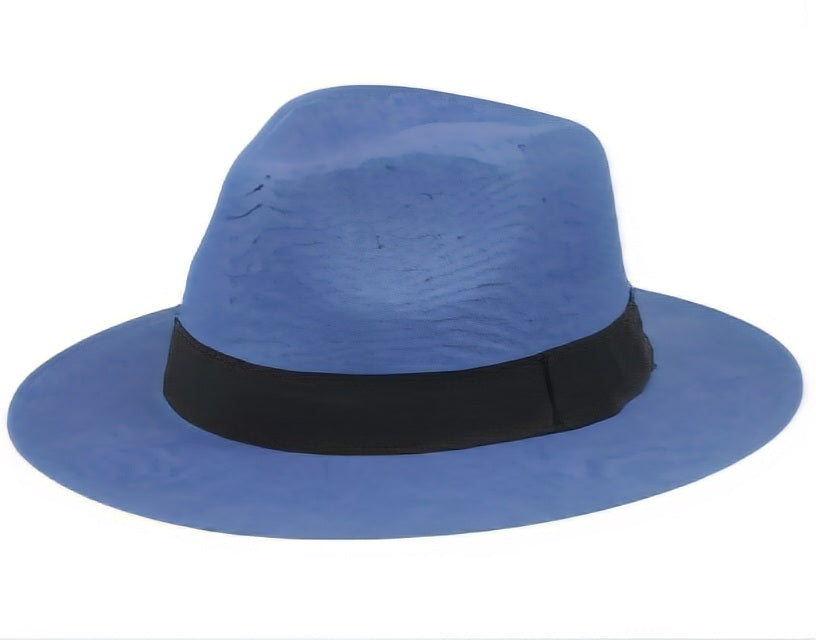
For everyday wear, price is only one factor. Check the material first, then the brim and the fit.
How We Judge Everyday Wearability
We judge everyday wearability on four practical points: how the hat handles heat, how it fits through a full day, how well it resists weather and how it looks with ordinary clothes. A hat that looks great for an hour at a wedding can be a poor choice for commuting, errands or a long afternoon outdoors.
We also weigh how often you will actually wear it. A hat you reach for twice a week needs to tolerate being tossed in a car or bag, while a hat for occasional dress wear can be more delicate.
Materials and Construction: Toquilla Straw vs Paper and Raffia
Toquilla straw is a traditional weave made from a plant fiber. Paper straw is a lighter, more affordable material. Raffia has a rustic, textured look and works well for relaxed styling.
When you compare products, look at the material listed on the spec sheet before anything else. Our Gamboa and Panama Gambler listings specify toquilla straw, while the JO JO listing specifies 100% paper straw and the CUBANO lists 100% raffia straw.
!Close-up of a natural toquilla straw Panama hat beside a raffia fedora on a wooden table
The three materials differ in ways that matter for everyday use, as summarised below.
| Material | Used in | Key difference |
|---|---|---|
| Toquilla straw | Gamboa, Panama Gambler, Zante | Traditional weave from a plant fiber |
| Paper straw | JO JO fedora | Lighter and more affordable |
| Raffia straw | CUBANO | Rustic, textured look for relaxed styling |
Comfort, Ventilation and Fit for Daily Wear
Comfort depends on the sweatband, the crown height and how the brim sits on your head. The Gamboa and Panama Gambler both use a cotton twill sweatband. The ZANTE has a 7 cm sweatband. The JO JO has an adjustable drawstring at M/L (56-58cm), and the CUBANO also features an adjustable drawstring.
Brim width changes both shade and wind resistance. A wider brim gives more sun coverage, while a narrower brim is easier to wear in a crowded room or a car. Measure your head before you buy, because a hat that sits too high or slips in a breeze will be frustrating in daily use.
Straw Hat Durability: How Each Style Holds Up
Durability depends on the material, the weave and how the hat is handled day to day.
A simple way to compare any two candidates: check the fiber on the spec sheet and the material description before you buy.
How to Care for a Panama Hat and How to Style a Straw Fedora
Care and styling are usually treated as afterthoughts, but for an everyday hat they are what determine whether you still reach for it in month six. The guidance below is organized so you can apply the same routine to a toquilla Panama, a paper straw fedora, or a raffia fedora, with the fiber-specific adjustments called out.
Cleaning, step by step. Start by brushing off dust with a soft-bristled brush in the direction of the weave; this removes grit before it works into the fibers. For light surface marks, wipe with a barely damp cloth and let the hat air-dry at room temperature, never over a radiator or in direct sun, which can shrink or warp the straw. For a paper straw fedora, keep the cloth as dry as possible, because paper straw absorbs water quickly and can spot. For raffia, a soft brush is usually enough; avoid soaking the brim edge, where fraying begins.
Reshaping. A Panama responds well to brief, distant steam: hold the hat a few inches from a kettle or steamer for a few seconds, reshape the brim or crown by hand, and let it cool in shape. Keep the steam short and at a distance so the fibers do not over-soften. Paper straw should not be steamed; once creased, it tends to stay creased. Raffia can take a very light steam at the edge but stiffens if overdone.
Storage trade-offs. Store a straw hat crown-down on a flat shelf or in a ventilated hatbox, and avoid sealed plastic bags, which can trap moisture.
Fit and sizing details that matter for daily wear. Measure your head circumference with a soft tape just above the ears and across the mid-forehead, and compare that number to the maker's size chart rather than assuming your usual hat size. Crown height and shape affect comfort as much as circumference: a taller, more tapered crown suits some head shapes, while a shorter crown sits closer and can feel cooler. Brim width changes both sun coverage and wind resistance, a wider brim gives more shade but catches more wind, while a narrower brim is easier in a car or a crowded room. If you are between sizes, an adjustable drawstring inside the sweatband is the practical fix; check whether the model you are considering offers one. If you wear glasses, choose a brim that clears the frames so it does not press against the lenses.
Styling a straw fedora for everyday wear. A natural or light brown straw fedora pairs easily with open-collar shirts, chinos, and relaxed tailoring for warm-weather days. A black straw fedora reads dressier and works with darker jackets and dress trousers. A raffia fedora's coarser texture suits casual outfits, linen shirts, shorts, and denim, better than formal wear. The practical rule is to match the formality of the weave to the formality of the outfit: fine toquilla weave with smart-casual, coarser raffia with casual.
Watch out: storing any straw hat crushed under heavy objects or in a hot car is the fastest way to ruin its shape, and over-steaming a Panama can soften the fibers enough that the crown loses its block.
Choosing Your Everyday Hat From the Scarves & Fedoras Collection
For daily wear in warm weather, we suggest starting with a Panama if you want a classic look. The Zante Authentic Panama Straw Hat at $174.99 is a good place to start. If you want a versatile everyday color, the light brown Panama straw hat gives you a neutral option that pairs easily with most outfits.
If you prefer a fedora shape with a darker look, the black straw fedora is a practical choice for everyday outings, and you can compare the authentic Panama style side by side before deciding. Shoppers who want more styling ideas can also read our guides on fedora styles for women over 40 and how to wear a fedora with glasses.
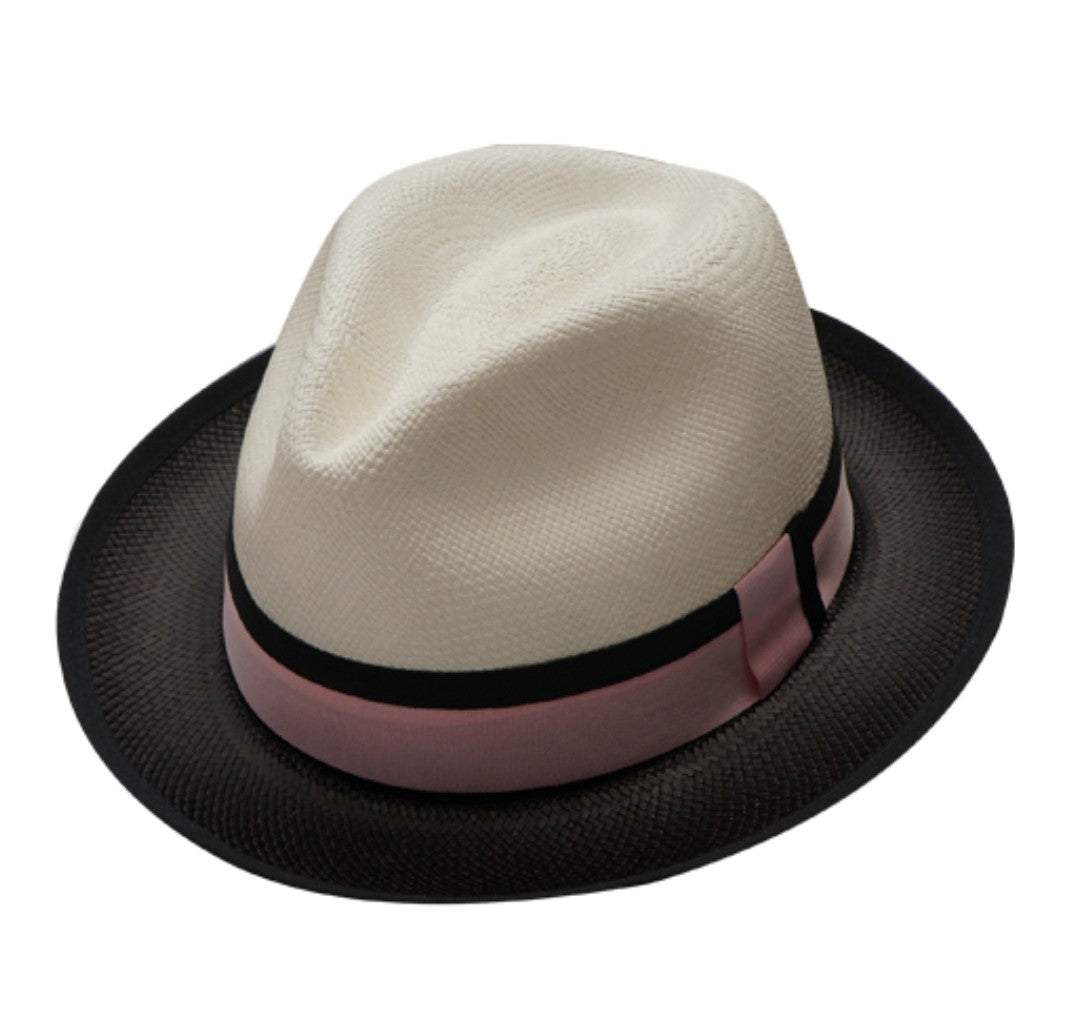
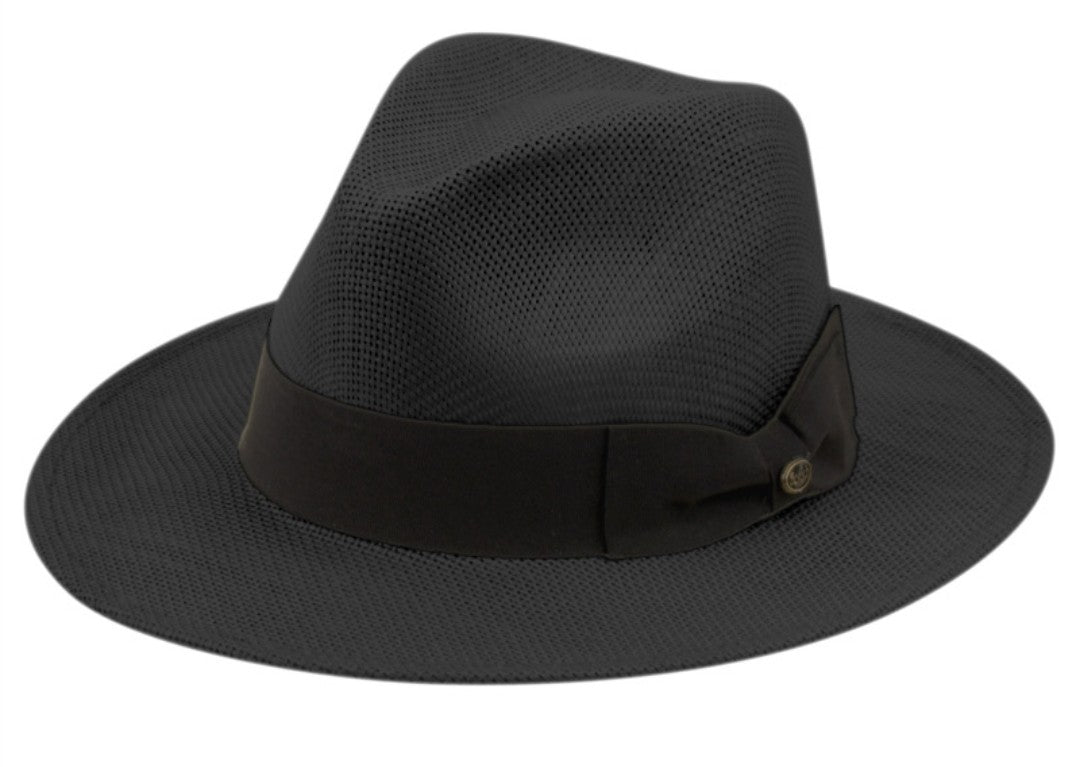
Choose a toquilla Panama if you prefer a classic handmade hat, or a paper or raffia fedora if you want a lighter, lower-cost option.
Frequently Asked Questions
What is the difference between a Panama hat and a straw fedora?
A Panama hat is a specific type of hand-woven hat made from toquilla straw in Ecuador, with a low, soft crown and a wide, flexible brim. A straw fedora is a broader category: a fedora-shaped hat that can be made from paper straw, raffia or other fibers. Both work for warm weather, and straw fedoras are often lighter on the budget.
Is a Panama hat a type of fedora?
Not strictly. A Panama hat is a distinct style with its own origin and construction, even though it looks similar to a fedora. Some sellers loosely call Panama-style hats fedoras, which causes the confusion. The Scarves & Fedoras Gambler and Zante are Panama hats, while the Cubano is a raffia fedora with a stiffer, upturned brim.
Are Panama hats more durable than straw fedoras?
Durability depends on the material, weave quality and how the hat is stored, so handle and store any straw hat carefully.
How do you care for a Panama hat?
Store it crown-down or on a hat stand so the brim keeps its shape, and avoid crushing it in a bag. Brush off dust with a soft brush, and avoid soaking it. Keep it away from direct sun for long periods and out of heavy rain. Never store it in a damp place, as straw can mold.

Partager ce message
- 0 commentaire
- Balises: how to care for a panama hat, how to style a straw fedora, panama hat, panama hat vs straw fedora for everyday wear, panama hat vs. fedora, straw hat durability
← Message plus ancien Message plus récent →